
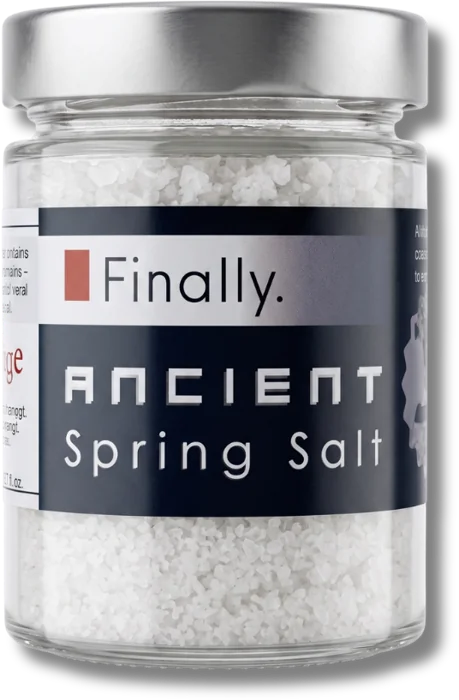
- Every prepacked food needs certain information on the label, and it must be hard to remove.
- Any of the 14 allergens must be listed in the ingredients and emphasised, for example in bold.
- Since 1 January 2024, food sold in Great Britain must show a UK business address.
- Food packed on the premises where it’s sold (PPDS) needs a full ingredients list with allergens emphasised, under Natasha’s Law.
Not sure your labels are right? We review labels and allergens, design compliant packs, and fix labelling errors on existing stock.
How we helpLabelling is one of the most common reasons new food products get delayed or rejected by shops. This guide explains what must go on a prepacked food label in England, Wales and Northern Ireland, in plain English. Scotland follows very similar rules through Food Standards Scotland.
What must be on a prepacked food label
Prepacked food is food put into its packaging before it is offered for sale. Its label must show:
Drinks over 1.2% alcohol must also show the alcoholic strength. Some products, such as certain meats, honey and fruit juices, have extra rules, including country of origin.
The 14 allergens
If your product contains any of these, or anything made from them, it must be listed in the ingredients and emphasised so it stands out, for example in bold, capitals or a different colour.
- 01Cereals containing gluten
- 02Crustaceans
- 03Eggs
- 04Fish
- 05Peanuts
- 06Soybeans
- 07Milk
- 08Nuts (tree nuts)
- 09Celery
- 10Mustard
- 11Sesame seeds
- 12Sulphur dioxide and sulphites
- 13Lupin
- 14Molluscs
Sulphites only need declaring above 10mg per kg or litre in the finished product. “May contain” warnings are voluntary and should only be used where there is a real risk of cross-contamination that you can’t remove.
Nutrition information
Most prepacked foods need a nutrition table showing energy and six nutrients per 100g or 100ml:
- Energy (kJ and kcal)
- Fat
- Saturates
- Carbohydrate
- Sugars
- Protein
- Salt
If you make a nutrition or health claim, such as “high protein” or “low sugar”, the claim must meet the legal definition and the nutrition table becomes essential.
Use by or best before?
For food that could become unsafe after the date, such as fresh meat or chilled ready meals. Selling food after its use by date is a criminal offence.
About quality, not safety. Food is still safe after this date but may not be at its best. Most dried, frozen and ambient foods use best before.
Ingredient percentages (QUID)
You must show the percentage of an ingredient when it:
- appears in the name of the food, such as “strawberry granola”
- is usually linked with that name by customers
- is highlighted on the pack in words, pictures or graphics
- is what makes the food different from similar products
Text size and layout
Mandatory information must use a font with a minimum x-height of 1.2mm, or 0.9mm if the largest surface of the pack is under 80cm². The name of the food and the net quantity must appear in the same field of vision, so a customer can see them together without turning the pack. Labels must also be hard to remove.
Natasha’s Law and food packed on site
Since 1 October 2021, food that is prepacked for direct sale (PPDS) must be labelled with the name of the food and a full ingredients list, with allergens emphasised. PPDS food is packed at the same place it’s sold, before the customer orders it, for example sandwiches, salads and baked goods packed on site at a café, deli or market stall.
Got a label wrong?
It happens more often than you’d think: a missing allergen, a wrong weight, an old address or a retailer asking for changes. Reprinting packaging is expensive, but stock can often be saved by over-labelling (putting a correct label over the old one) or re-labelling.
This guide is a general summary of UK labelling rules as of November 2026, not legal advice. Rules can change and some products have extra requirements. For your specific product, check the Food Standards Agency’s guidance or speak to your local Trading Standards team.
Don’t want to do it alone? We’ve got you.
Everything in this guide is something our team does every day. Use us for the whole job, or just the part you’d rather not do yourself.