
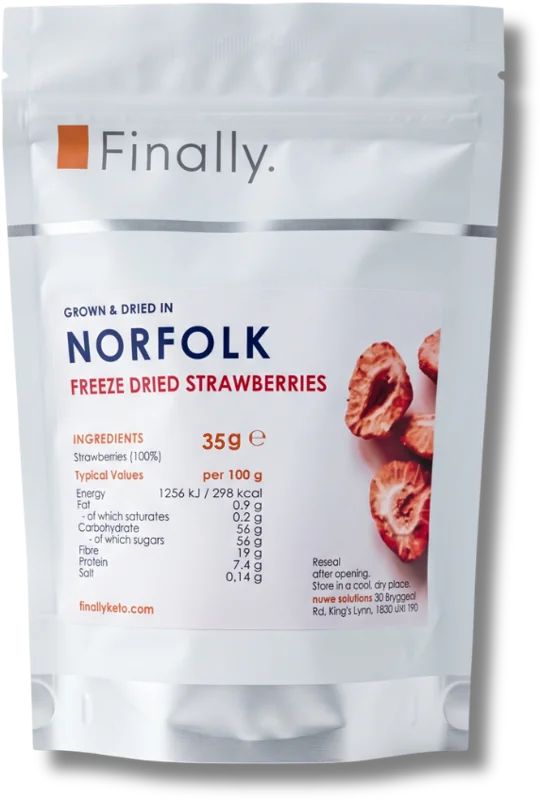
- Shops want products that are ready to sell: correct labels, a barcode, sensible shelf life and clear case sizes.
- Your wholesale price has to leave room for the shop’s margin and still make you money.
- Pick shops whose customers already buy products like yours, and tailor every pitch.
- Follow up once, politely, then keep in touch with useful news rather than chasing.
Want help getting retail-ready and in front of buyers? Our Retail Partnership connects health-first products with specialist shops and gyms.
How we helpIndependent health food shops, farm shops, gyms and cafés are often the best first stockists for a new food brand. Buyers are usually the owners themselves, they love finding new products, and their customers are happy to try something different. Here’s how to give yourself the best chance of a yes.
01Get retail-ready first
Before you contact any shop, make sure your product could go on a shelf tomorrow. Buyers will spot problems quickly, and a first impression is hard to undo.
02Get your pricing right
Shops buy at your wholesale price and sell at the recommended retail price (RRP). The difference is their margin, and it needs to be worth their shelf space. Work backwards from a realistic RRP for your category, take off the shop’s margin, then check that what’s left still covers your costs and leaves you a profit.
Keep your own online price in line with the RRP. Shops won’t stock a product that customers can buy much cheaper from you directly.
03Find the right shops
Start with places whose customers already buy products like yours. Visit if you can, look at what’s on the shelves, the prices and how products are displayed, and note the gaps your product could fill.
- Independent health food shops
- Farm shops and delis
- Gyms and leisure centres
- Cafés and coffee shops
- Zero-waste and refill shops
- Online health stores
04Make your pitch
Keep your first message short and personal. Say why your product suits their shop and their customers in particular, not just why it’s great. Include your product sheet, a couple of good photos and an offer to send or drop in samples. Avoid busy times: never walk in on a Saturday lunchtime and expect the owner to chat.
Samples work. If you can, let the buyer taste the product rather than read about it.
05Follow up, once
Buyers are busy, and no reply usually means “not yet” rather than “no”. Send one polite follow-up about a week later. After that, stay in touch only when you have something useful to share, such as a new flavour, an award or a local event.
06Help it sell
Getting listed is only half the job. Products that sell get re-ordered; products that don’t quietly disappear. Support your stockists by:
- telling your followers where to buy you, and tagging the shop on social media
- offering shelf cards or point-of-sale material
- running a tasting day in store
- checking in to see how it’s selling and re-ordering on time
Common mistakes to avoid
- No barcode or case sizes
- Labels missing allergens or a UK address
- A wholesale price that leaves no room for margin
- Undercutting the shop on your own website
- Slow deliveries or running out of stock
- No marketing support once the product is on the shelf
Don’t want to do it alone? We’ve got you.
Everything in this guide is something our team does every day. Use us for the whole job, or just the part you’d rather not do yourself.